Why the Klang Valley is a worse driving region than it looks
Kuala Lumpur sits in a bowl with mountains to the east and a coastal plain to the west, which on a map suggests excellent driving country. In practice the city is ringed by expressways engineered for freight, the suburban grid is speed-humped into submission, and enforcement on the interesting roads is more active than most visitors expect. There are, by our count, four roads within ninety minutes of the city that justify getting a car out of a basement at six in the morning. Everything else is transport.
What follows is written from the driver's seat, not from a tourism brochure. Each road gets an honest account of its surface, its traffic mix, the type of corner it actually contains, and the specific way it can go wrong. If you are hiring something with 600 horsepower and rear-biased all-wheel drive, the risk profile of a road matters more than its scenery.
1. Karak Highway — the fast one
The Karak, formally the Kuala Lumpur–Karak Expressway, is the road every Malaysian enthusiast learns first. It climbs from the Gombak toll up over the Titiwangsa range through the Genting Sempah tunnel and drops down towards Bentong, and it is a genuine mountain expressway: long third and fourth gear sweepers, sustained elevation change, and cambered corners that stay loaded for four or five seconds at a time.
The surface is generally good and consistently resurfaced, which is more than can be said for most Malaysian roads. The corner radii are large enough that a wide car never feels constrained, and the gradient means an engine is working properly, not coasting — this is one of the few roads near the city where a naturally aspirated engine gets to sit at 4,000 to 5,000 rpm for a sustained period, which is the entire reason to hire one.
The hazards are specific and worth taking seriously. Heavy trucks use this road constantly and they use the inside lane going uphill at 40 km/h while a coach overtakes them at 65, which produces a rolling roadblock with a closing speed problem behind it. The tunnel at Genting Sempah has a pronounced temperature and humidity change that fogs a cold windscreen instantly if your air conditioning is on recirculate. And the descent towards Bentong has claimed a very large number of vehicles over the years, almost all of them through excessive entry speed into a corner that tightens more than the driver expected.
Go at 06:30 on a Saturday. By 09:00 the weekend traffic to Bentong and Cameron Highlands has arrived and the road is a queue.
- Distance from KL
- Gombak toll, ~25 min
- Character
- Fast sweepers, big elevation
- Best window
- Sat/Sun 06:15–08:30
- Main hazard
- Truck/coach speed differential
2. The old Genting road — the technical one
Before the expressway existed, the way up to Genting Highlands was the old road that branches off near Genting Sempah and switches back up the mountainside to the resort. It is still there, it is still open, and it is a completely different proposition from the Karak: tight, steep, relentlessly cornered, with switchbacks in first and second gear and almost no straight longer than two hundred metres.
This is where a car's brakes, its damper control and its low-speed traction get examined. Sustained descent on a road like this will cook an inadequate braking system, which is why cars with carbon-ceramic discs and serious cooling ducts feel so much more relaxed here than their road-going siblings. Going up, a torquey turbocharged engine has a genuine advantage over an atmospheric one — you are rarely above 4,500 rpm and the corners come too quickly to work the gearbox properly.
The road surface is patchier than the Karak, with sections of coarse aggregate and a few areas where water runs across the tarmac permanently from the hillside. Those wet lines are the single biggest risk on this road; they sit in shadow, they never dry, and they appear mid-corner. Treat every damp stripe as ice on cold tyres.
Traffic is the other issue. Buses run to the resort, delivery lorries run to the resort, and on weekends motorcyclists in large groups run this road for fun, frequently on the wrong side of the centre line coming the other way through a blind left-hander. Position defensively, stay well right of the centre line, and accept that you cannot use the full width of the road.
- Character
- First and second gear switchbacks
- Tests
- Brakes, damper control, patience
- Main hazard
- Permanent wet lines in shadow
- Best window
- Weekday morning, not weekends
Treat every damp stripe on the old Genting road as ice. It sits in shadow, it never dries, and it appears mid-corner.
3. Ulu Yam and the Batang Kali loop — the enthusiast's road
North of Selayang, the road through Ulu Yam Bharu towards Batang Kali and the Genting Peras area is the one that the local driving community actually rates, and it is the one we recommend most often to people who want to enjoy a car, not photograph one. It is narrow, it runs through forest and rubber estate, and it strings together second and third gear corners for a genuinely satisfying twenty kilometres.
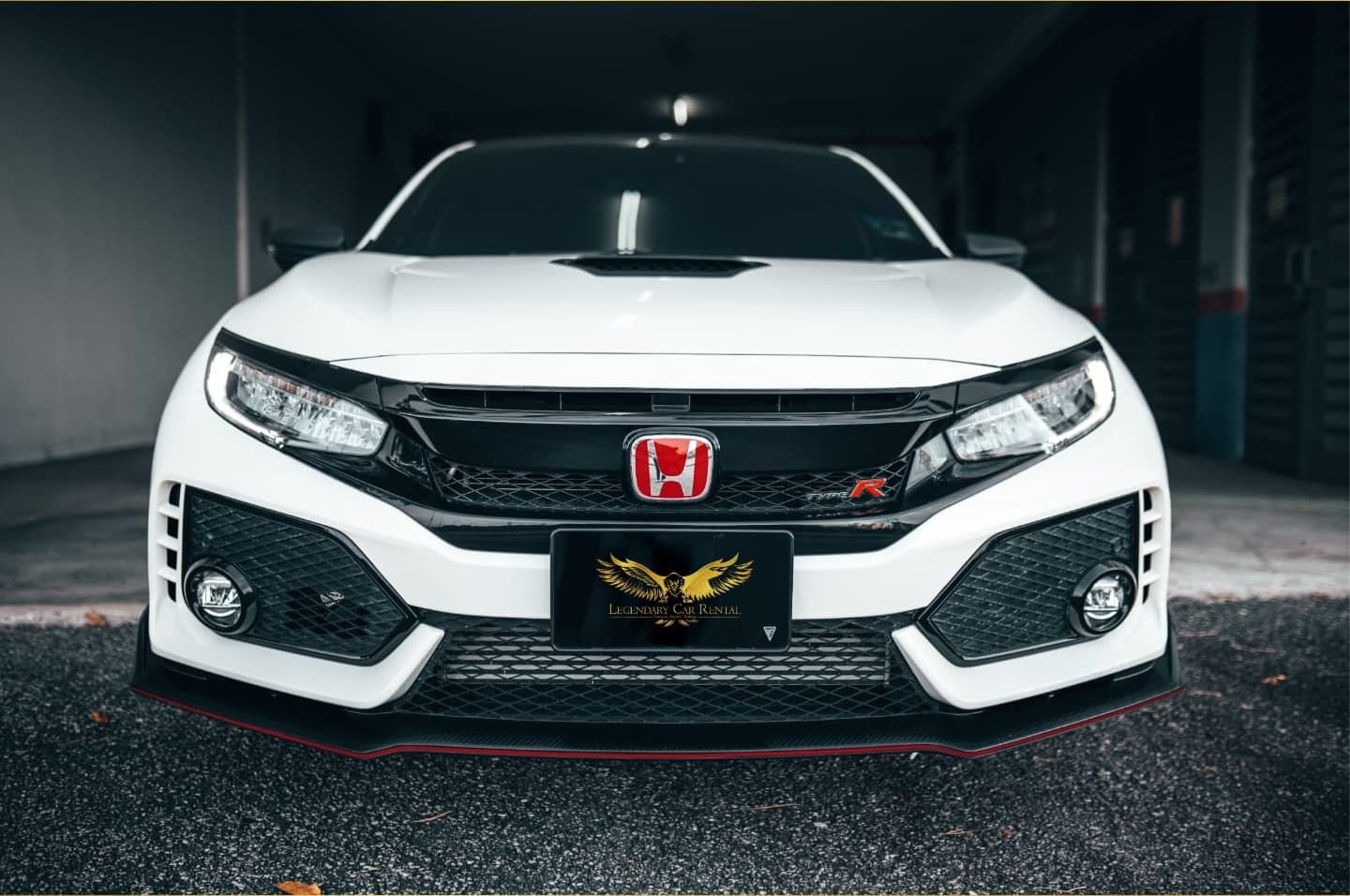
What makes it good is the rhythm. The corners come in sequences that flow into one another, the elevation changes are gentle enough that the car stays settled, and the sightlines through most of the bends are long enough to commit to a line. It is the closest thing near Kuala Lumpur to a European mountain road, and a light, agile, moderately powered car — a Cayman, a Type R, a Golf GTI — is far more rewarding here than a wide supercar that fills the lane.
The problems are motorcycles and monkeys, in that order. On a Sunday morning this road carries hundreds of bikes, many of them ridden well and some of them ridden atrociously, and overtaking manoeuvres appear from behind with no warning. Long-tailed macaques sit on the verge in troops throughout the route and will walk into the road without looking. Neither of these is avoidable by driving faster.
Go on a weekday if you possibly can. The road empties out completely, and the same twenty kilometres becomes one of the best hours of driving available in this part of the country.
- Character
- Narrow, flowing, forested
- Ideal car
- Light and mid-engined
- Main hazard
- Motorcycle groups, macaques
- Best window
- Weekday, any time
4. Guthrie Corridor Expressway — the underrated one
Nobody writes about the Guthrie, which is exactly why it is on this list. It runs from Shah Alam north to Rawang through forest reserve and it was built for a traffic volume that never materialised, so it is a wide, immaculately surfaced, gently curving dual carriageway that is frequently almost empty. There are no tight corners and no elevation drama. What there is, is space.
That makes it the correct road for two specific things. First, the first thirty minutes in an unfamiliar high-performance car, when you need to learn the brakes, the throttle mapping and the width without a truck three metres from your door mirror. Second, a night cruise, because the road is unlit through the forest sections, the surface is perfect, and a naturally aspirated engine held at a steady legal cruise in top gear with the windows down is a genuinely lovely way to spend forty minutes.
Enforcement is present and the limit is 110 km/h. There is nothing about this road that requires exceeding it to enjoy it, which is more than can be said for the other three.
- Character
- Wide, empty, perfectly surfaced
- Best for
- Learning a new car, night runs
- Limit
- 110 km/h, enforced
Planning the day properly
The standard weekend we recommend runs like this. Collect the car Friday evening so the first drive is not also the first time you sit in it. Saturday, leave the city by 06:15, take the MRR2 to the Gombak toll, run the Karak to Bentong, breakfast there, and come back over the top before nine. Sunday, do the Ulu Yam loop from Selayang and be home by eleven. That is roughly 320 kilometres, comfortably inside any mileage allowance, and it is two mornings of genuinely good driving instead of one long day of highway.
Fuel RON 97 before you leave the city — the stations on the mountain roads carry it inconsistently and a high-compression engine on the wrong grade will pull timing and feel flat exactly when you want it not to. Take a bottle of water, take the tyre pressures up to the placard cold figure before you set off, and check the weather radar, because a Titiwangsa afternoon downpour turns all four of these roads into somewhere you should not be.