The mechanical difference in one paragraph
An internal combustion engine makes power by burning fuel with air. The amount of power available is therefore limited by how much air you can get into the cylinder. A naturally aspirated engine relies on atmospheric pressure and the vacuum created by the descending piston to fill that cylinder — nothing forces the air in. A turbocharged engine puts a turbine in the exhaust stream, spins a compressor with it, and pushes air into the cylinder above atmospheric pressure. More air, more fuel, more power from the same displacement.
That is the whole distinction, and everything else — the throttle response, the noise, the shape of the power curve, the way the car feels on a specific road — falls out of it as a consequence.
What a turbo actually does to the driving experience
Forced induction changes the shape of the torque curve dramatically. A modern turbocharged engine typically reaches peak torque somewhere between 1,500 and 2,500 rpm and holds it flat across a wide plateau. The Toyota GR Supra's B58 straight-six is at full twist from around 1,600 rpm. The practical effect is that the engine is always ready. You do not need to downshift to overtake, you do not need to plan an entry to a corner around keeping revs up, and 40-to-100 km/h acceleration in fourth gear is genuinely rapid.
The cost is threefold. First, lag: there is a delay, however small, between the throttle opening and the turbine spooling to produce boost, and no amount of twin-scroll housing design, electric compressor assistance or anti-lag calibration eliminates it entirely. Second, the power curve is emotionally flat — the engine does everything it is going to do by 3,000 rpm and the last 3,000 revs to the limiter add noise without urgency, so there is no reward for revving it out. Third, the noise. A turbine in the exhaust stream is an extremely effective silencer, which is why turbocharged cars need synthesised sound, valved exhausts and, in some cases, cabin speaker augmentation to sound like anything at all.
- Peak torque
- 1,500–2,500 rpm typical
- Curve shape
- Flat plateau
- Response
- Delayed by spool
- Exhaust note
- Muffled by the turbine
What an atmospheric engine gives you instead
A naturally aspirated engine has no plenum of compressed air waiting to be delivered, so the throttle is connected directly to what the engine does next. Open it and the response is immediate and exactly proportional — a quarter throttle gives you a quarter of the available torque at that engine speed, every time, with no delay and no surge. For a driver trying to balance a car through a corner on the throttle, that linearity is worth more than a horsepower figure.
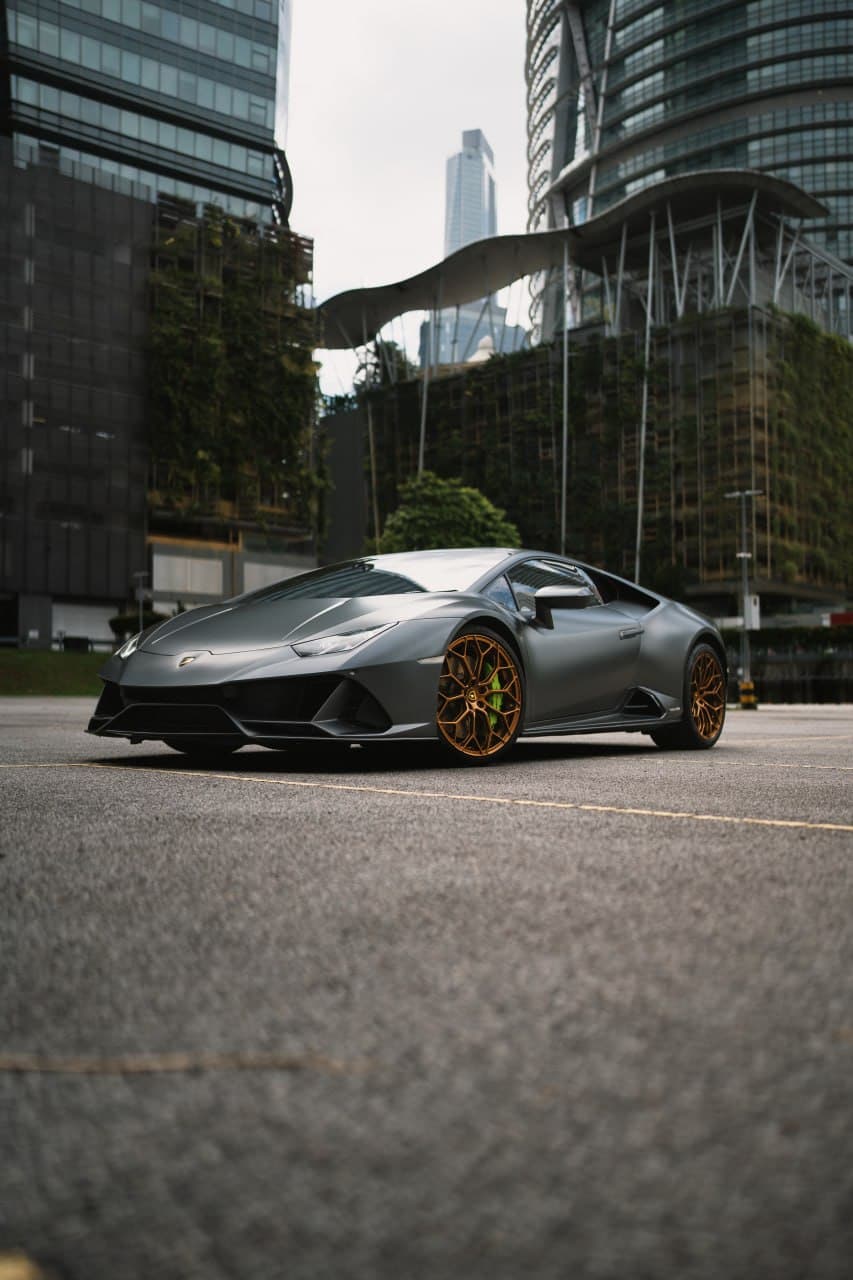
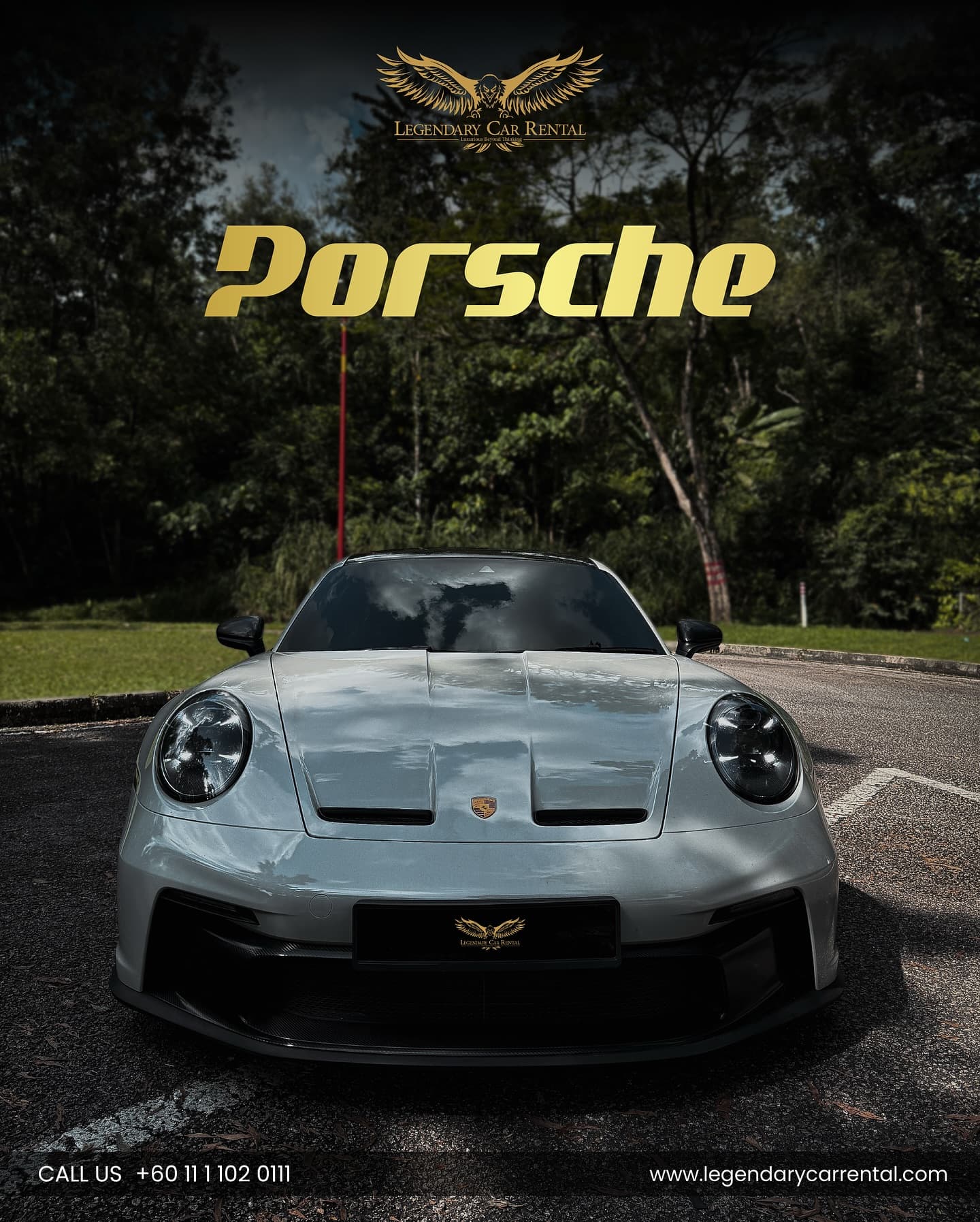
The power curve is the other half of it. Without boost, torque builds with engine speed and peaks high, which means the engine has to be revved to give its best. The Lamborghini Huracán's 5.2-litre V10 is unremarkable below 4,000 rpm and genuinely thrilling from 6,000 to its 8,500 rpm limiter. The Porsche 911 GT3's 4.0-litre flat-six runs to 9,000. That escalation — the sensation that the car keeps finding another layer the harder you work it — is what people mean when they talk about an engine having character.
And the noise is real, not manufactured. Ten or twelve cylinders firing in sequence with nothing in the exhaust path but pipes and a catalyst produce a harmonic complexity that no four-cylinder with a valved backbox can approximate. This is not nostalgia. It is acoustics.
- Peak power
- Near the redline
- Curve shape
- Rising, escalating
- Response
- Immediate, proportional
- Redline
- 8,500–9,000 rpm
The Huracán's V10 is unremarkable below 4,000 rpm and genuinely thrilling from 6,000 to 8,500. That escalation is what people mean by character.
Why the turbo car is usually faster and the atmospheric car usually feels better
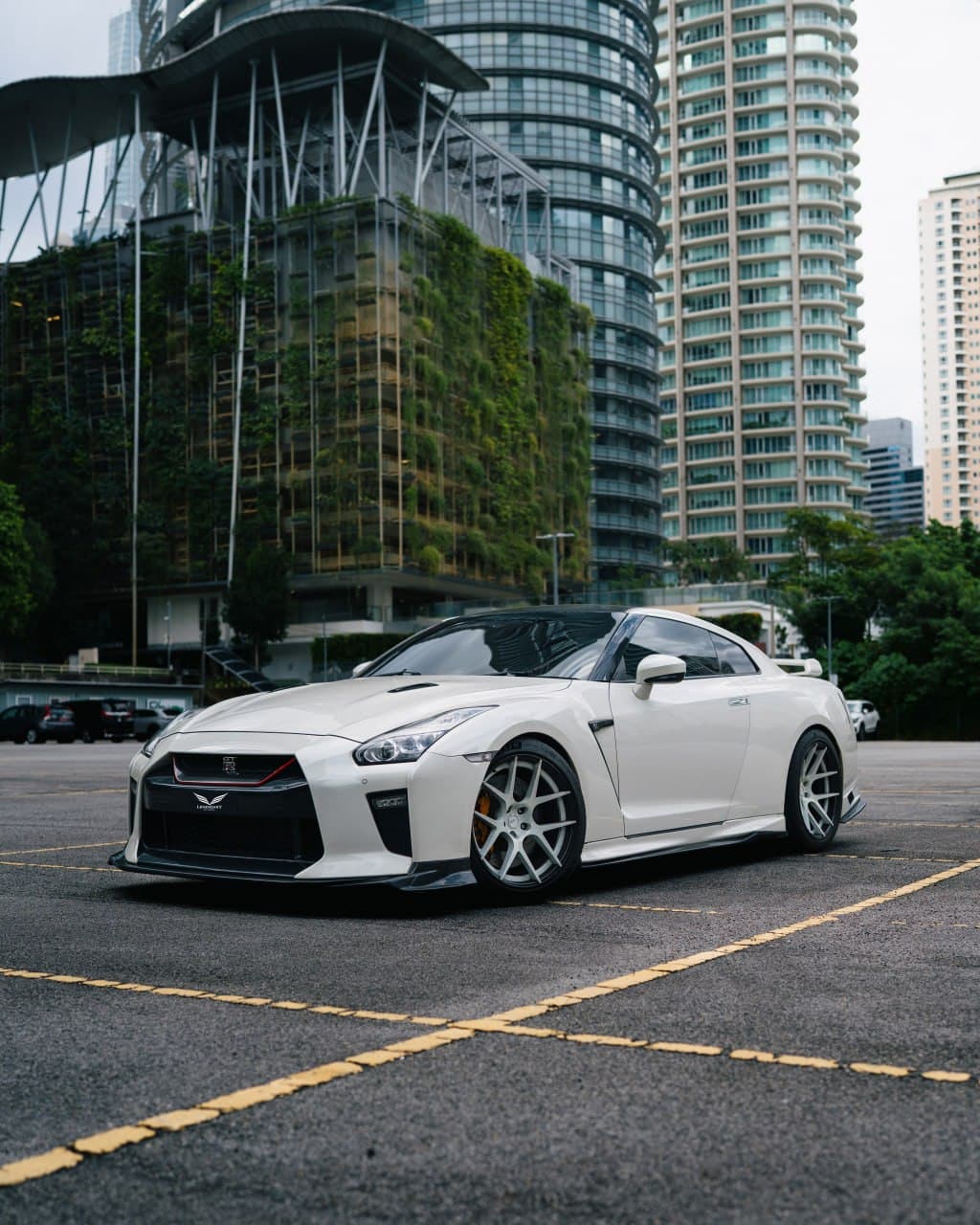
Take two cars from our fleet. The Nissan GT-R makes 565 bhp from a twin-turbocharged 3.8-litre V6 and reaches 100 km/h in 2.9 seconds. The Lamborghini Huracán makes 631 bhp from an atmospheric 5.2-litre V10 and takes 3.2 seconds. On paper the Lamborghini has 66 more horsepower and is three tenths slower, which looks like a contradiction until you consider where the torque lives.
The GT-R has all of its twist available from just above idle and a rear transaxle with all-wheel drive to put it down. It launches out of a standstill and out of a slow corner with a violence the Huracán has to build towards. In a roll-on from 60 km/h in a high gear, the turbocharged car will pull away because it does not need to change down. This is exactly the scenario that dominates real-world Malaysian driving: an overtake on the Karak, a run onto the Federal from a slip road, a squirt between two sets of lights.
So why does anyone pay more for the Lamborghini? Because outright pace is not the product. Sitting at 7,500 rpm in third gear with a V10 behind your head and the throttle answering instantly is an experience that has almost stopped being manufactured. Emissions regulation, efficiency targets and electrification have made large atmospheric engines commercially indefensible, and the ones still in service are the last of them. You are renting access to a mechanical era, not a lap time.
Which to hire for which road
For city driving and short blocks, take the turbocharged car. Kuala Lumpur traffic never lets an atmospheric engine past 3,000 rpm, and an engine that makes its torque at 1,800 is simply more pleasant when every gap is four car lengths long. A GT-R, a Supra or an M4 will feel fast in conditions where a Huracán will feel like a large, hot, wide car with a stiff clutch.
For the Karak, the old Genting road and a 06:30 start, take the atmospheric car. You will finally have the space to use the top half of the rev range, which is where the entire argument for these engines lives, and the sound reflecting off the cutting walls on the climb to Genting Sempah is the single best thing available for the money.
For a photoshoot or a celebration, take whichever one looks and sounds like the thing the person has wanted since they were twelve. This is the one case where the engineering argument is irrelevant and you should ignore all of the above.
- City and traffic — turbocharged, every time
- Mountain roads with a clear morning — naturally aspirated
- Long expressway distance — turbocharged, for the relaxed cruise
- Photography and occasions — whichever one moves you
The hybrid and electric footnote
There is a third category now and it deserves a mention. The BMW i7 in our fleet is fully electric and has no rev range, no gearchange and no delay of any kind — the torque is simply there, all of it, at any speed. It is a genuinely strange sensation the first time and it makes a very strong case for itself on a congested urban commute. What it does not do is escalate, and for anyone who rents cars for the sound and the sensation of an engine working, that absence is the whole story.
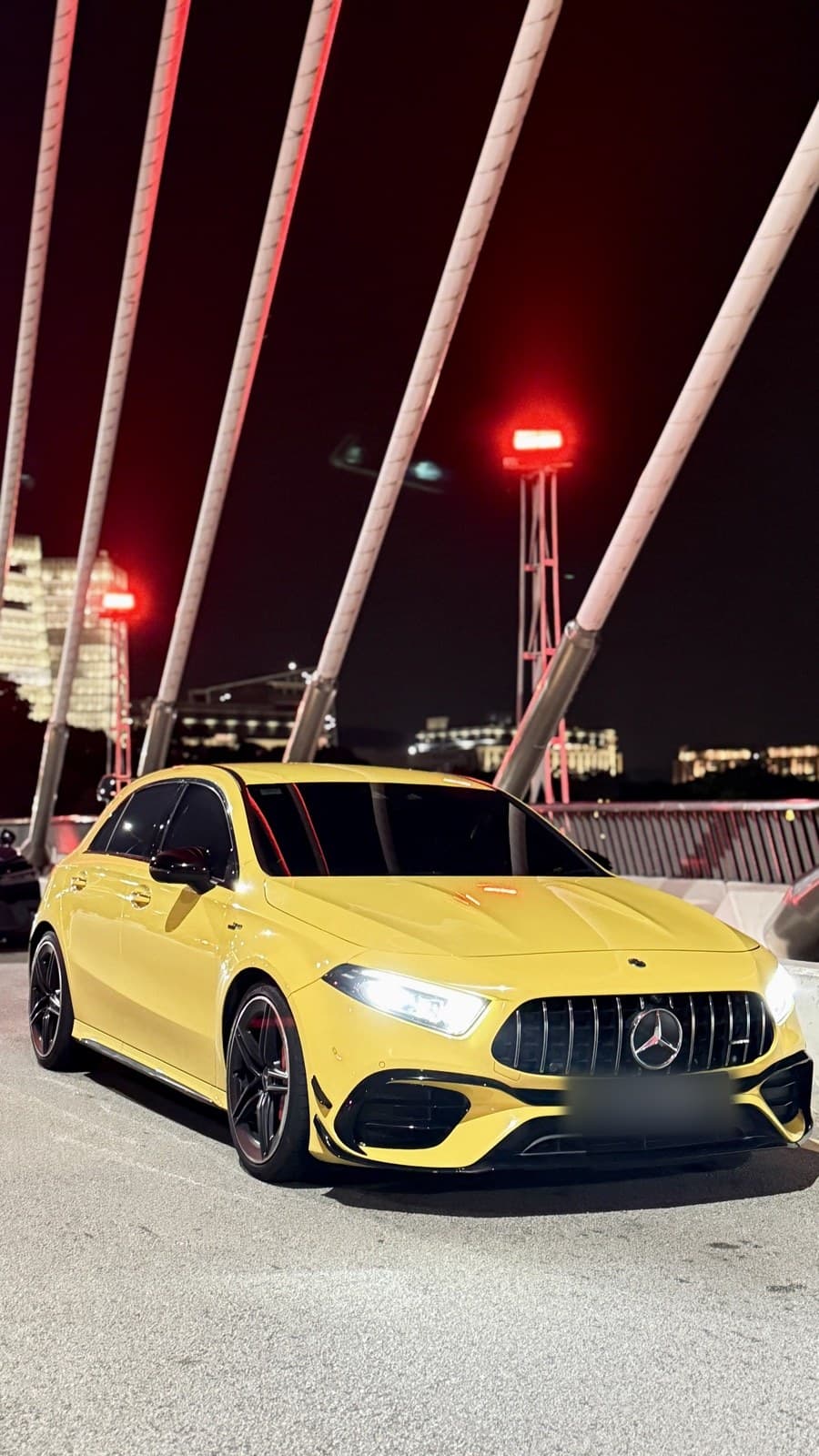
The AMG six-cylinder models split the difference with a 48-volt electric compressor that spins the intake charge before the exhaust turbine has spooled, filling the lag window with electrically driven boost. It is the most technically elegant answer to the turbo problem currently in production, and if you want to feel what turbocharging without lag is like, the GLE 53 is the cheapest way to do it.